The Problem
Customer reported vehicle failed to start after overnight parking. No prior warnings. Dash showed High Voltage System: See Workshop and Service Charging System simultaneously. Vehicle would not enter Ready state under any conditions. Towed to shop - no collision, no recent service. Autel MaxiSys scan: P0A80 (Replace HV Battery Pack) and B200B (Battery Management Module Signal Plausibility). Live data showed cell group 4 reading 0.00V while all others were 3.62-3.65V.
Diagnostic Procedure
-
1
1. Confirm codes and pull cell-level live data. Look for any cell group reading 0V or far outside the others. Note which group.
-
2
2. Cross-reference cell group numbering with OEM wiring diagram to identify which BMU connector pin carries that group signal.
-
3
3. De-energize HV system per VW service procedure. Confirm isolation with calibrated meter before proceeding.
-
4
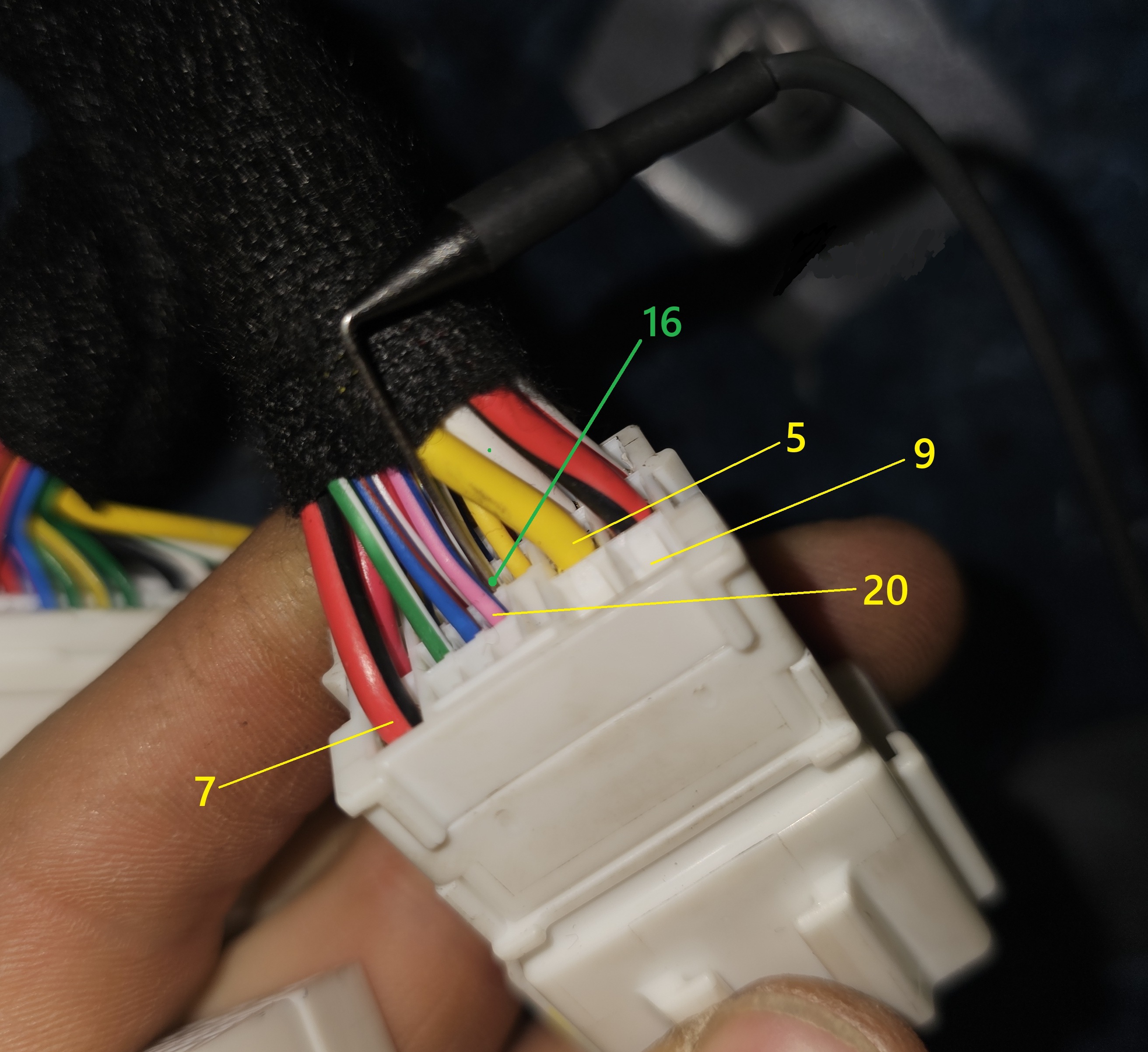
4. Locate BMU main harness connector on the side of the HV battery enclosure. Inspect locking tab and seating depth.
-
5
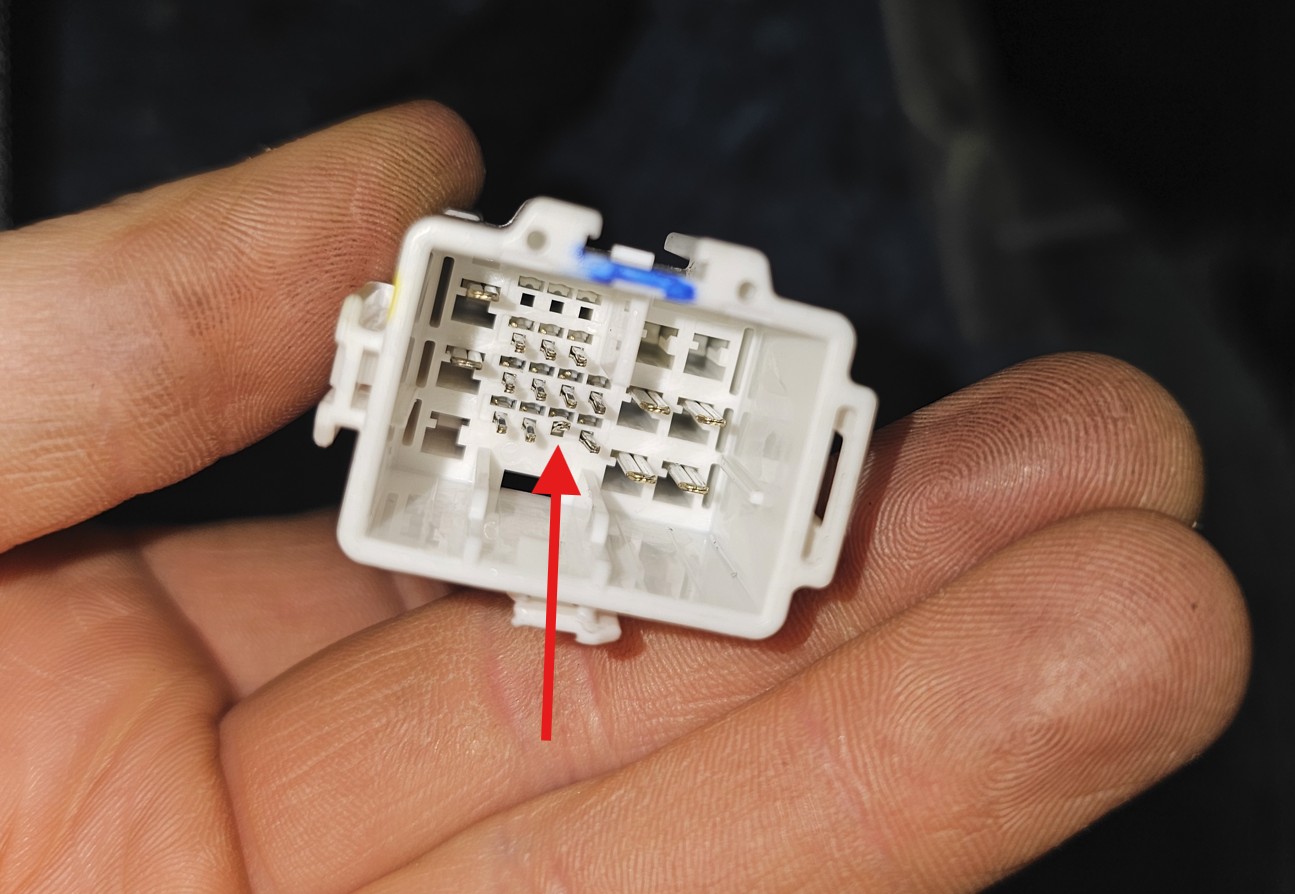
5. Disconnect connector carefully. Inspect all terminals under magnification or strong light. Look for any terminal pushed back, collapsed, or canted off-axis.
-
6
6. In this case: pin 16 (cell group 4 positive sense wire) was bent approximately 15 degrees inward. Terminal still partially mated but lost consistent contact.
-
7
7. Using a dental pick or terminal reforming tool, carefully straighten the bent terminal. Verify it aligns with the housing cavity bore.
-
8
8. Reconnect and reseat connector. Confirm audible click and locking tab engagement.
-
9
9. Clear all codes. Monitor live data - all cell groups should read within 20mV of each other. Perform 5-minute key-on soak and recheck.
Resolution & Root Cause
Pin 16 in the BMU main harness connector was bent inward, causing intermittent then permanent loss of cell group 4 voltage sense signal. Terminal reformed with pick tool and confirmed to be seated correctly in the housing guide. Connector reseated with full latch engagement. After code clear, all 8 cell groups read 3.63-3.64V. Vehicle entered Ready state on first attempt. P0A80 and B200B did not return after 48-hour monitoring. No parts replaced. Total: 2.5h diagnostic labor.
💡 Key Lesson
P0A80 on VW ID.4 does not mean battery pack replacement. Before authorizing any component, pull cell-group live data - a single group reading 0V points to a signal fault, not a failed cell. Always physically inspect the BMU connector terminals. A single bent pin that takes 20 minutes to reform can prevent a 12,000+ USD battery replacement authorization.
About This Case
This case was solved remotely by an HVDesk specialist with 15+ years of hands-on experience across major EV platforms including Tesla, Hyundai/Kia, Volkswagen ID series, BMW i-series, and Ford EVs. The procedure was provided as structured remote support to an independent auto repair shop.