The Problem
Customer complaint: warning lights on dash, vehicle in reduced power mode, later not driveable at all. Scan showed P0AA6 (HV isolation resistance too low) and P17BF00 (HV battery isolation monitoring fault). Insulation resistance measurement confirmed low isolation on the positive HV rail. No previous repairs, 31,000 km on the vehicle.
Diagnostic Procedure
-
1
Scan vehicle with ODIS or capable scan tool and record all DTCs. Confirm P0AA6 and P17BF00 - these indicate the BMS has detected HV-to-chassis isolation below threshold (typically under 500 ohms/volt on VW).
-
2
Perform manual insulation resistance measurement with a megohmmeter rated to 1000V DC. Measure HV positive rail to chassis and HV negative rail to chassis with HV system safely isolated. Document readings.
-
3
A reading below 100 kohms confirms an active ground fault. Determine which rail is affected to narrow the physical location.
-
4
Begin isolation hunting: systematically disconnect subsystems from the HV bus (charger, PTC heater, motor inverter) and re-test after each disconnection. The fault disappears when the affected component is isolated.
-
5
On the ID.4, the most common isolation fault location is the battery pack interior - specifically the cell module signal harnesses in the rear module stack. These can chafe against the pack housing bracket over time.
-
6
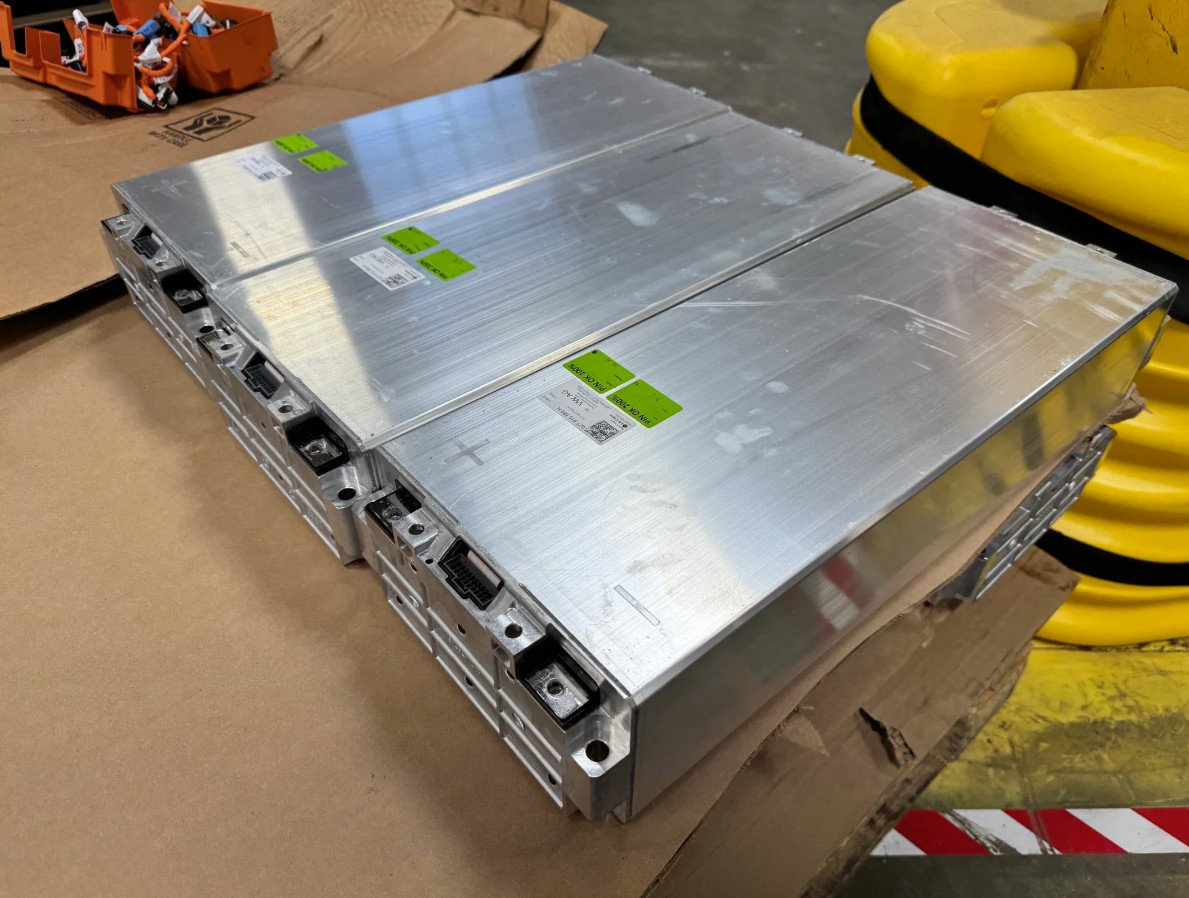
If the fault remains even with all external HV consumers disconnected, the fault source is inside the battery pack. Removal and inspection of the pack is required.
-
7
Inspect the HV cell module harnesses for insulation damage. On this vehicle, harness on module position R3 (rear-right) was found chafed through insulation and contacting the aluminium housing.
Resolution & Root Cause
Physical ground fault inside the battery pack - harness insulation on cell module R3 was chafed through by a bracket edge, creating a low-resistance path to the aluminium pack housing. The harness was replaced with the updated part number (VW issued a revised harness with additional protective sleeving). Pack was reinstalled and isolation resistance confirmed above 10 Mohms on both rails. P0AA6 cleared and vehicle returned to full operation.
💡 Key Lesson
On MEB-platform VW EVs (ID.4, ID.3, Audi Q4 e-tron), a P0AA6 that persists after disconnecting all external HV consumers points inside the battery pack. Do not replace the isolation monitoring module or inverter before ruling out an in-pack harness fault - the IMU is almost never the cause of genuine isolation faults. Always use a megohmmeter to confirm and localise the fault before disassembly.
About This Case
This case was solved remotely by an HVDesk specialist with 15+ years of hands-on experience across major EV platforms including Tesla, Hyundai/Kia, Volkswagen ID series, BMW i-series, and Ford EVs. The procedure was provided as structured remote support to an independent auto repair shop.