The Problem
Shop reported the vehicle came in after a heavy rainstorm. Customer complaint: car will not start, shows lightning bolt icon and a message to contact service. Scan revealed BMS_u029 (HVIL loop open) and P0AA6 (HV isolation fault). Previous tech had already attempted a 12V reset with no improvement. Vehicle had 68,000 km.
Diagnostic Procedure
-
1
Connect Tesla Toolbox or third-party scan tool and capture all active DTCs. Note BMS_u029 and P0AA6 - both point to HVIL loop integrity and HV isolation.
-
2
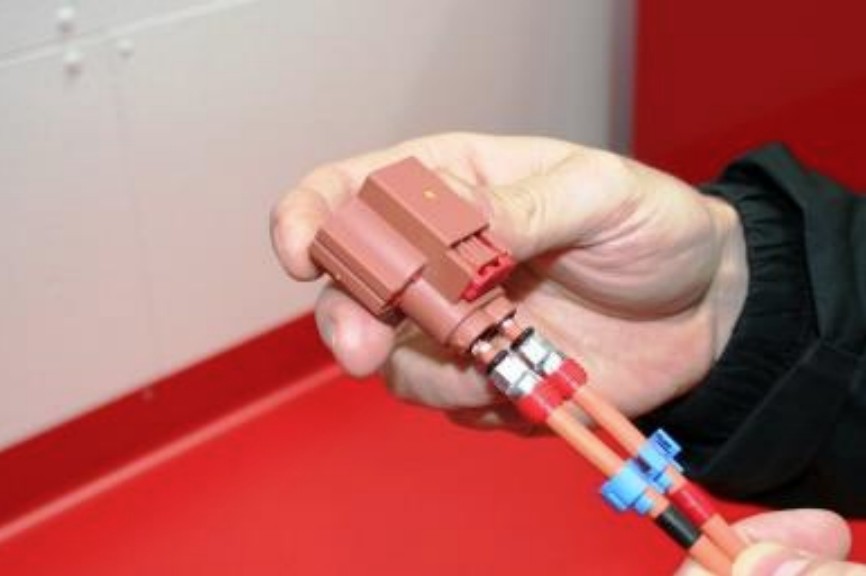
With HV system disabled and 12V disconnected, locate the main battery pack HV connector under the vehicle. On Model 3 it is accessible without removing the underbody panel on the driver rear quadrant.
-
3
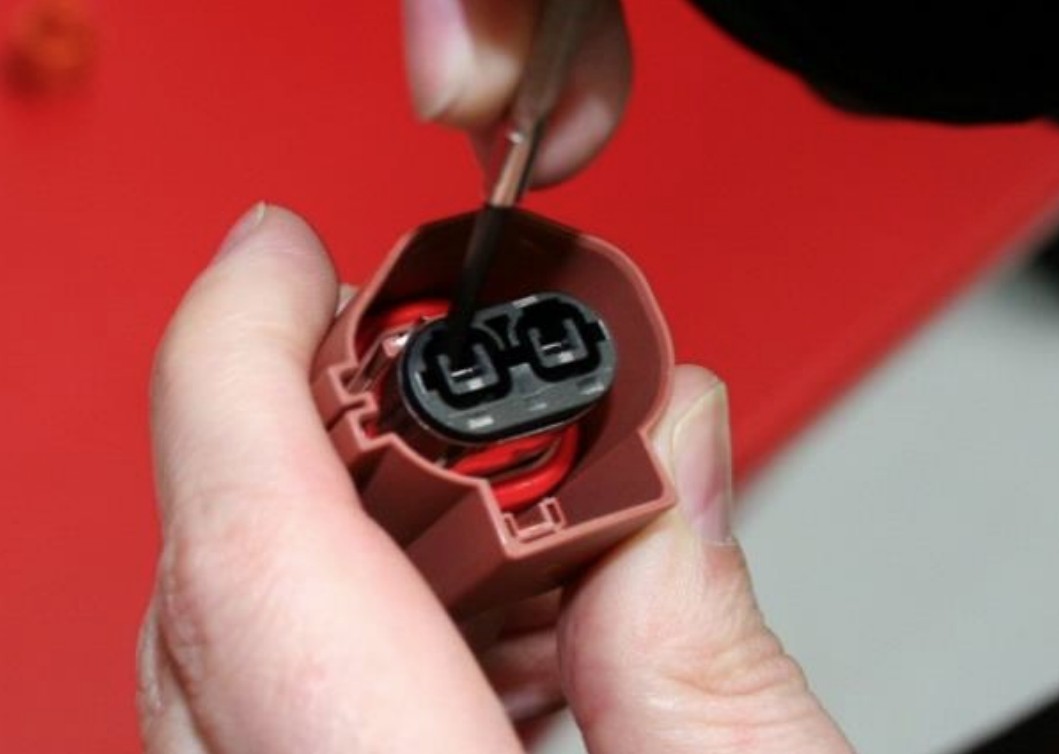
Visually inspect the HV connector housing for moisture. Look for water tracks, corrosion on pins, or compromised sealing lip.
-
4
Measure resistance across each segment of the HVIL loop (pin to pin per Tesla wiring diagram). An open circuit or reading above 3 ohms isolates the faulty segment.
-
5
Remove the HV connector and inspect both the male and female halves under good light. Check for bent or corroded pins.
-
6
If moisture is confirmed, dry the connector with compressed air and a heat gun on low. Allow 30 minutes minimum before retesting.
-
7
Apply approved HV-rated dielectric grease to the connector sealing surfaces, reseat firmly until the locking tab clicks.
-
8
Clear DTCs and perform HV system self-test via scan tool. Verify HVIL loop resistance reads nominal under 1 ohm.
-
9
Return vehicle to ready mode and verify no return of faults over a 10-minute soak with HVAC running.
Resolution & Root Cause
Water ingress at the main battery HV connector caused corrosion on pin 4 of the HVIL loop, creating a high-resistance open circuit. The connector housing seal had deteriorated - a known issue on 2019-2021 Model 3 builds in climates with high precipitation. Connector was cleaned, pins treated with electrical contact cleaner, and the connector reseated with fresh dielectric compound. Tesla updated the connector seal design in 2022; for affected vehicles, TSB recommends applying sealant bead around the connector housing after service.
💡 Key Lesson
On early Model 3 builds, the main battery HV connector seal is undersized for high-humidity environments. Any HVIL fault presenting after rain or a wash should go straight to this connector before deeper disassembly. The fix is often 30 minutes of work - do not replace the BMS or HV cable until this connector is eliminated as the cause.
About This Case
This case was solved remotely by an HVDesk specialist with 15+ years of hands-on experience across major EV platforms including Tesla, Hyundai/Kia, Volkswagen ID series, BMW i-series, and Ford EVs. The procedure was provided as structured remote support to an independent auto repair shop.